Web Design / UX/UI
PROJECT OVERVIEW
This project was centered around improving the overall feel and structure of the website so it better represents G+C Architects and the quality of their work. We focused on tightening up the navigation, improving how projects are displayed, and building a more cohesive visual style across the site.
PROJECT DURATION
4 Weeks
ROLE
Web Designer
TOOLS USED
Figma & Framer
PROBLEM
G+C Architects is a respected firm in the GTA, but their outdated website did not communicate the quality of their work, making it difficult for users to understand their projects, navigate their portfolio, and build trust in the brand.
APPROACH
The firm already has an extensive portfolio of high-quality project images. The focus was to keep their work front and center while creating a cohesive, supportive interface and site structure.
The website should help developers/clients assess if G+C is the right fit and allow firm partners to present their work to stakeholders confidently.
THE HOMEPAGE
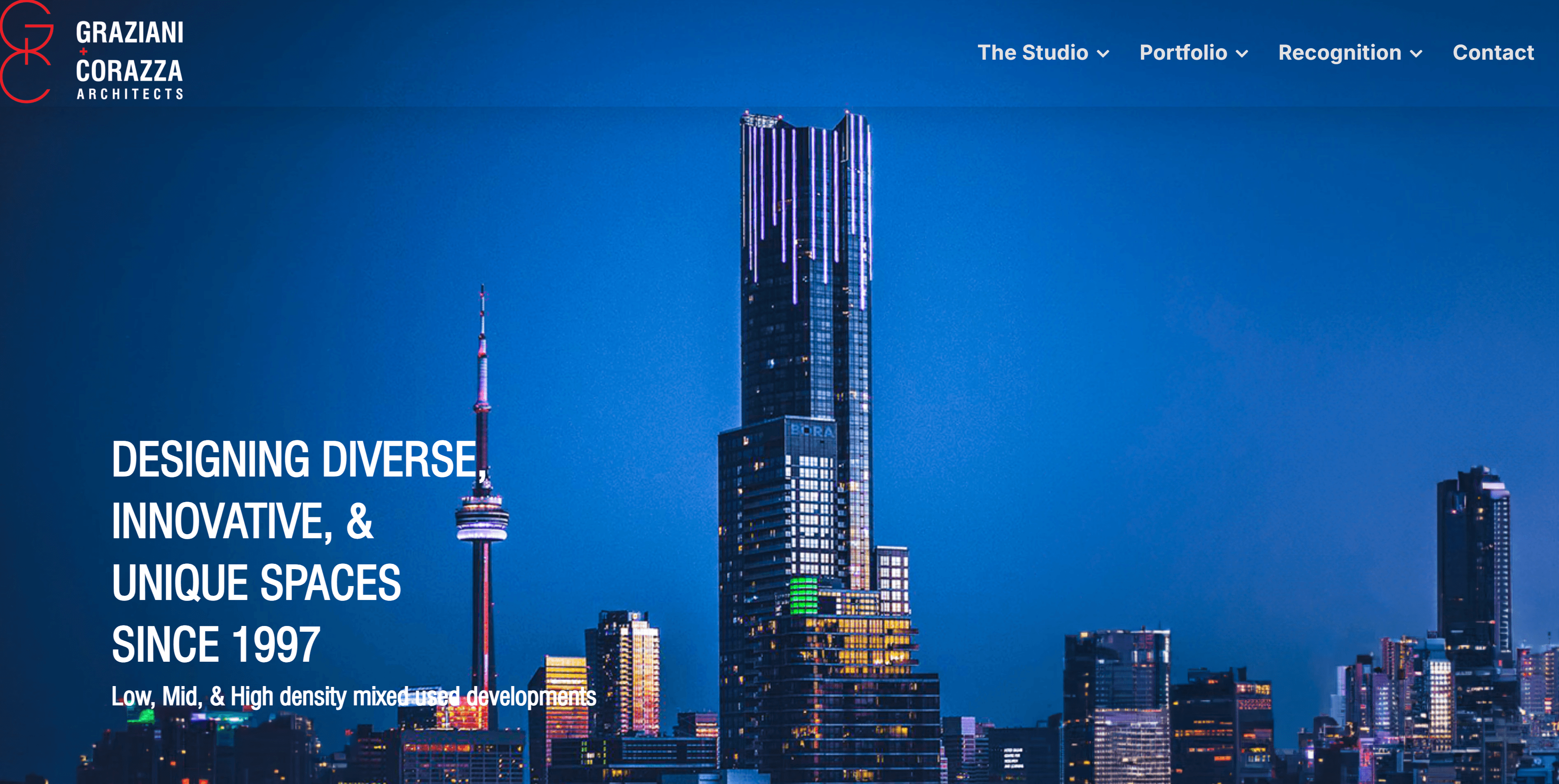
The old homepage relied on a few static images with minimal text, providing little insight into who G+C Architects are, what they offer, or why they’re credible.
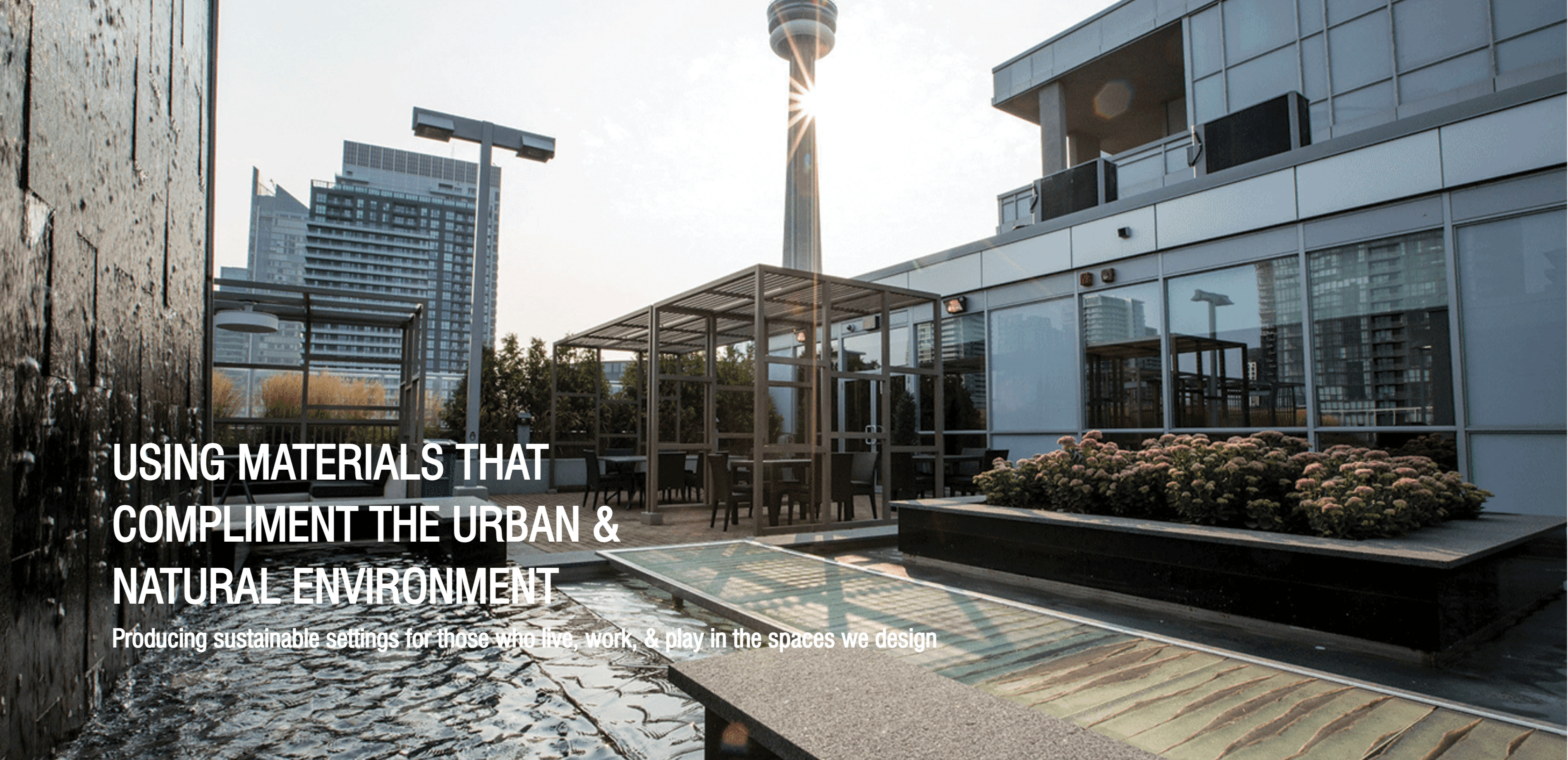
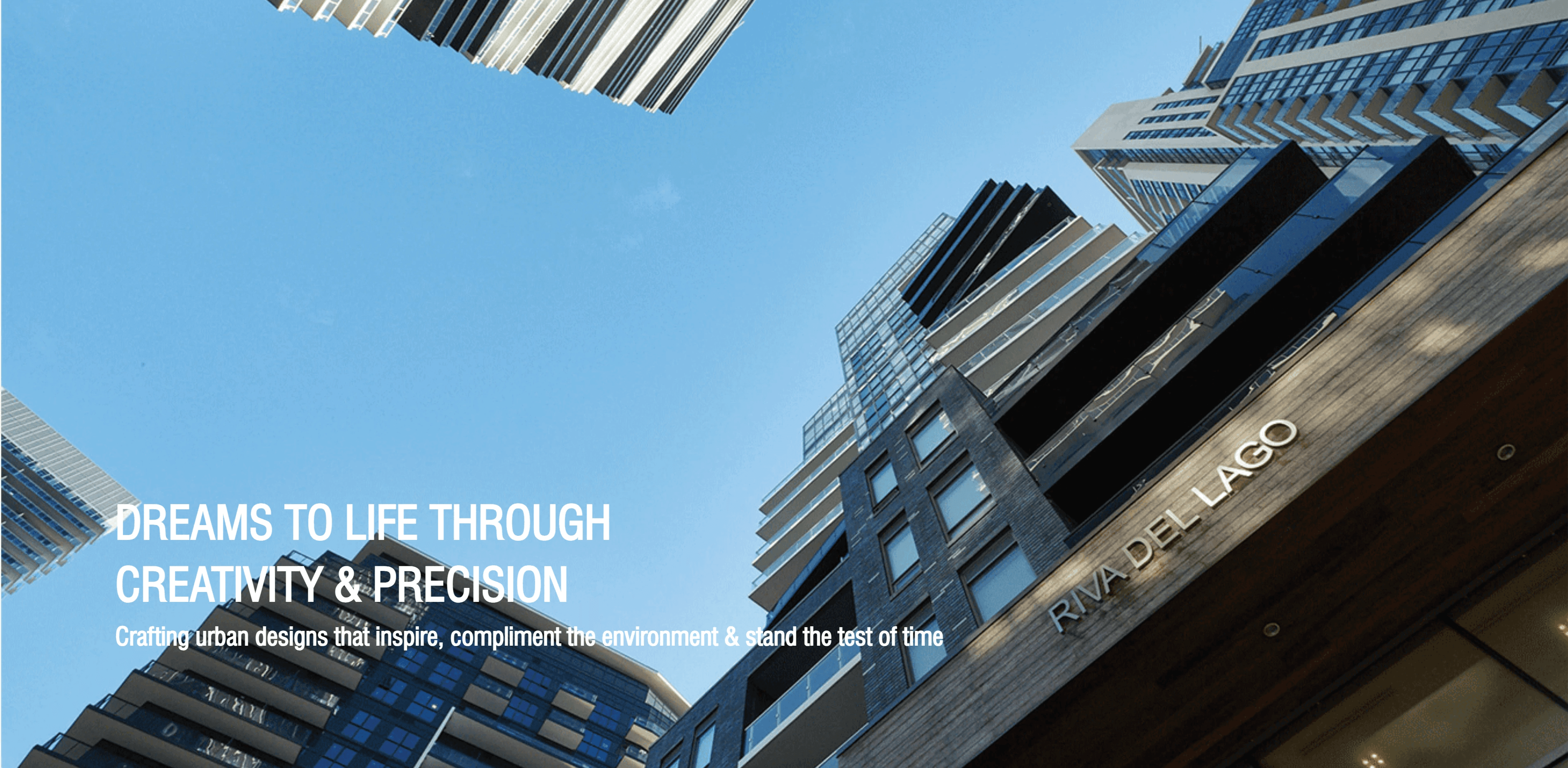
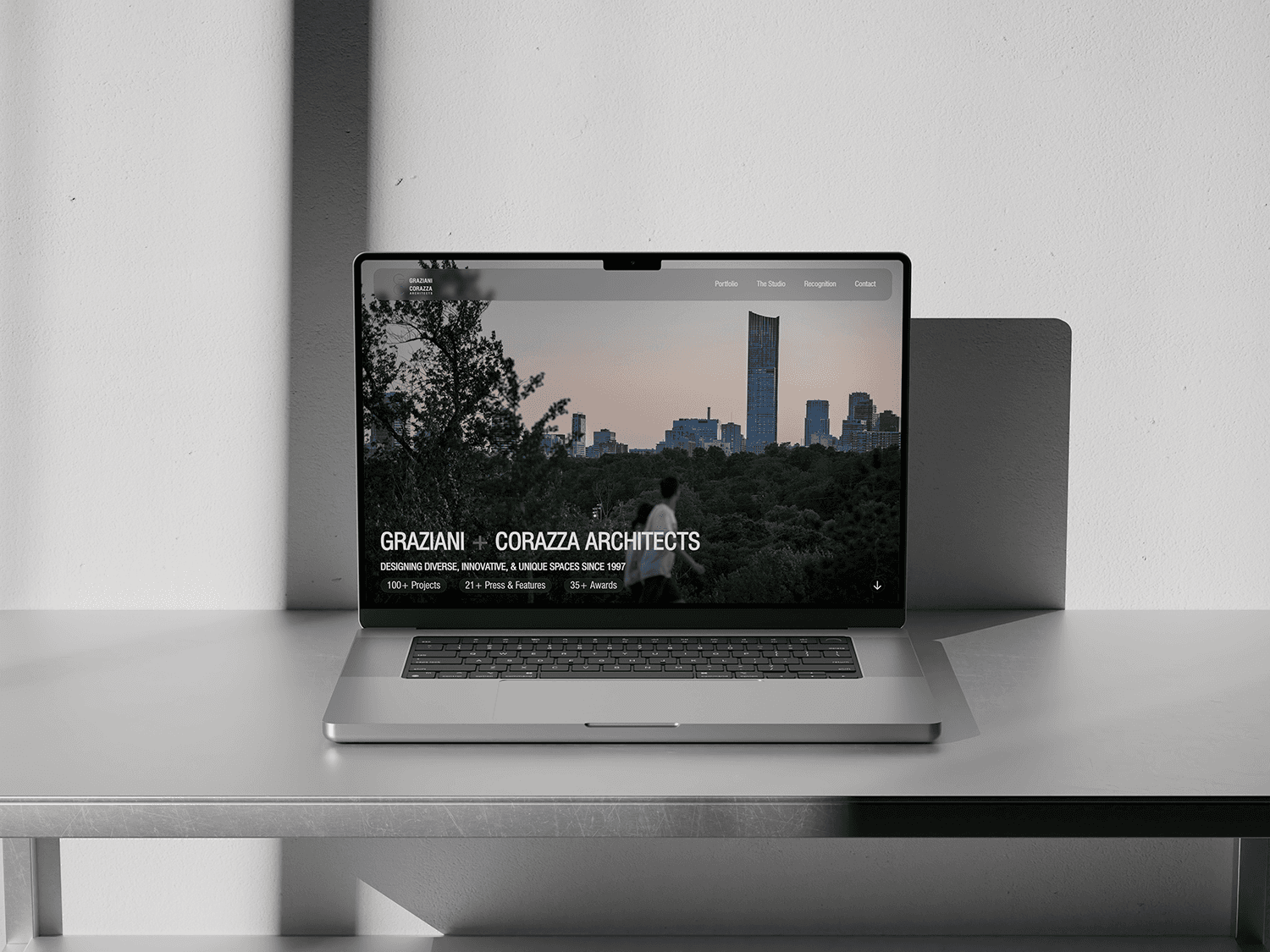
The redesigned homepage introduces a more modern and interactive structure, making it easier for users to navigate the site and engage with key content from the homepage alone.
BEFORE (Scroll)
ACCESSIBILITY
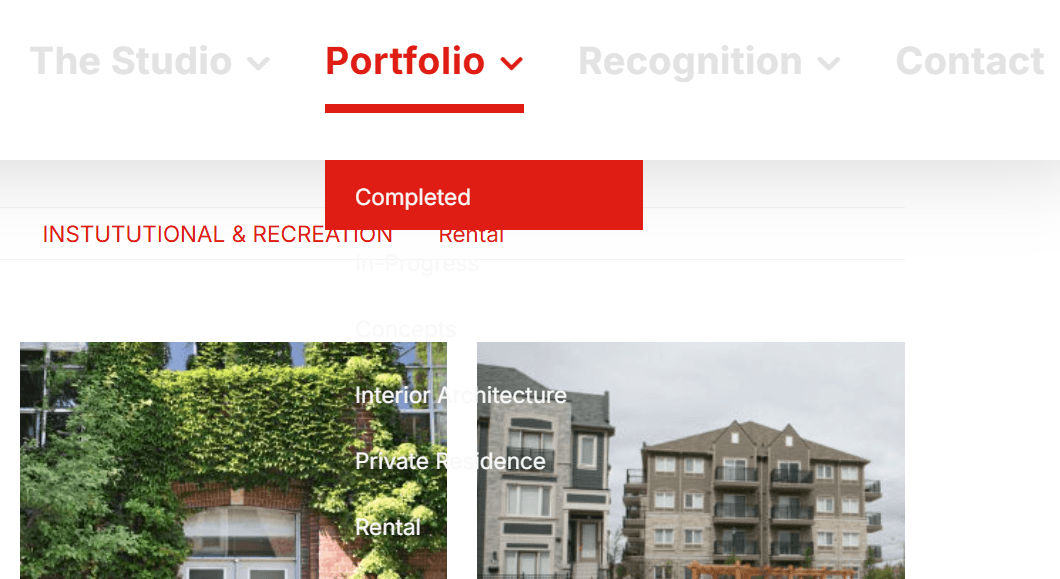
Navigation items lacked clear hierarchy and clickable states, making it harder for users to understand where to see key information such as the portfolio, studio content, and recognition.
The new navigation ensures the items are visible on all backgrounds.
BEFORE
AFTER
THE PORTFOLIO
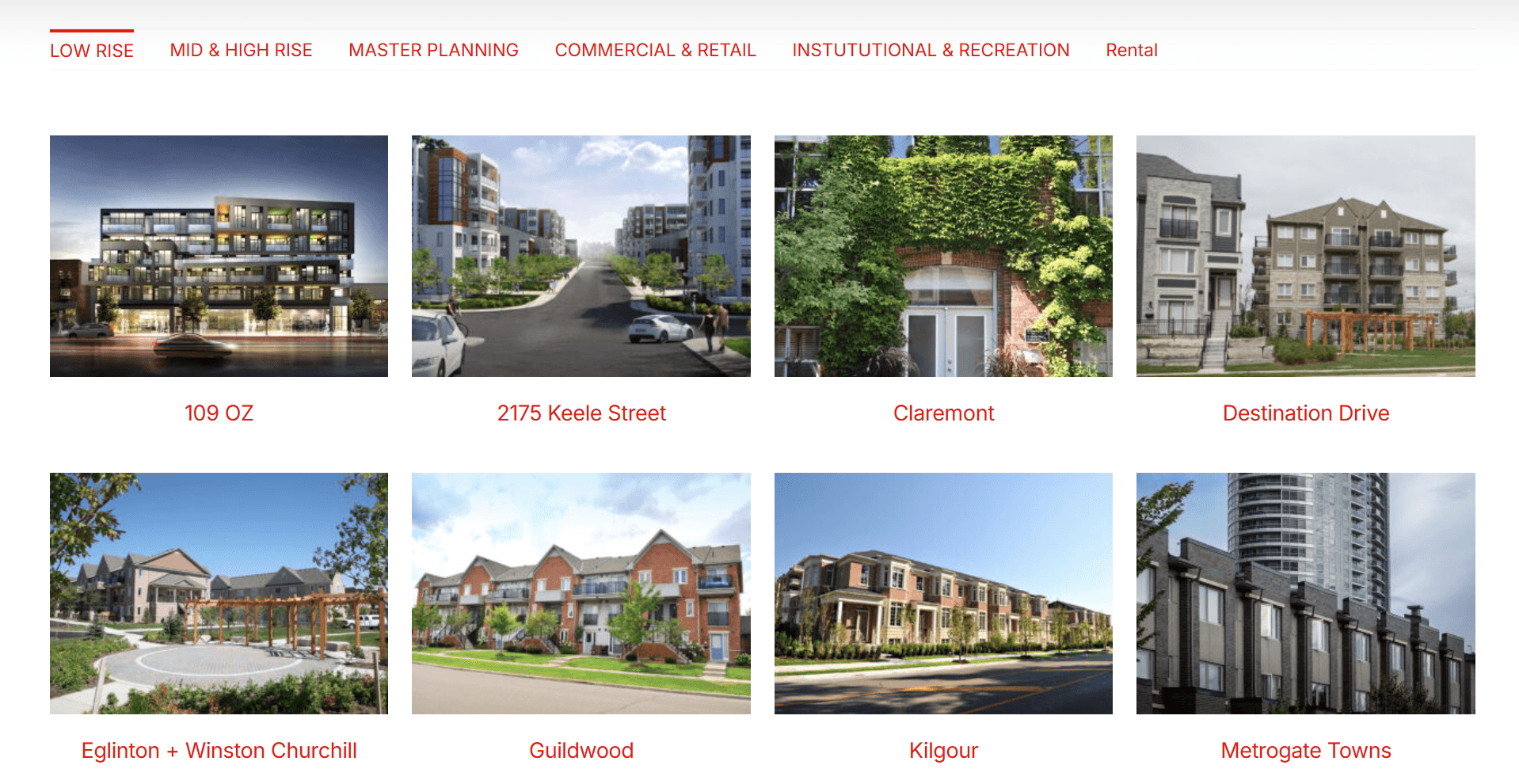
The portfolio presentation did not effectively showcase projects, with limited filtering and visual hierarchy, reducing scannability and overall impact.
I created a centralized portfolio page with dynamic filters for project type and status, as well as a search bar to ensure projects can be found with low friction.
As per the client's request, they also wanted indiviual pages for each project type (low rise, mid & highrise, etc.) with a filter for project status.
BEFORE
AFTER
REFLECTION
Working with a real client provided valuable hands-on experience.
This project strengthened my ability to collaborate with stakeholders, address real business needs, and translate feedback into thoughtful design decisions while bringing my own UX and visual expertise to the process.
Balancing ideal solutions with real-world constraints was a key takeaway.
Designing within platform limitations and evolving requirements reinforced the importance of adaptability and practical decision-making in professional web design work.
GET IN TOUCH
Always open to opportunities, whether it’s a project, a role, or just a conversation.

Copy component
Copied
ben.mascarenahs23@gmail.com


BEN MASCARENHAS